
Membership of Type allows unlimited access to our online library. Join to support new research and writing on the design of the built environment.
You can read more about membership here.
Already a member? Login to your account to avail of unlimited downloads.

Membership of Type allows unlimited access to our online library.
Join to support new research and writing on the design of the built environment.
You can read more about membership here.
Individual Membership Fees
Individual membership is available on a monthly or annual basis.
The fee is €10/month or €99/year.

The architecture crit as an assessment format has remained largely unchanged since its inception. Conceived in the 1850s by the Beaux-Art School curriculum, it marked a shift from apprenticeships at ateliers toward academic degrees at University [1]. Despite the profession itself undergoing numerous transformations, this aspect feels stuck in time. When asked to write a piece about my experience in architectural education, ‘crit culture’ immediately came to mind.
Ahead of presenting in front of a review panel, there is a feeling of discomfort. A mental note to speak loudly, stand tall and stay concise, all while getting your concept across. The week before a review becomes a drawing marathon, racing to complete and pin-up the ‘finished’ product. The dread of the crit is experienced by all students, but there is an unstated imbalance between male and female students.
It is undeniable that students learn important life skills through preparing for a review, such as public speaking and presenting under time constraints. However, the crit environment emphasises a particular kind of thinking where students are encouraged to present as the ‘masters’ of their project [1]. It is formal and declarative. By contrast, design work is rarely this way. It is a slow process that emerges from continuous iterations and thoughtful decision making. It is often difficult to portray the experiential intentions of the project during a review. It is much easier to defend a rigid master plan than it is to discuss the way a space feels and the material process behind it. These are gendered qualities of architectural presentation. Masculine ideas perform well in crit environments; they are more structured and easier to make coherent in a drawing. Whereas the feminine attributes fall to easier scrutiny; they are attributes rooted in process, feeling, and care.
During a crit, your work is performing and you become part of the performance to the audience of jurors. In this becoming, there is an inequality between male and female students. As the body plays a part in this performance, it is worth analysing the historical role of the female body in visual culture and performance. There has been a gendered dynamic present throughout visual culture in western society. Laura Mulvey diligently outlines this in her work ‘Visual Pleasure and Narrative Cinema’ [2]. She describes how men are accustomed to seeing themselves portrayed as the protagonist and driver of the narrative, whereas women are accustomed to seeing themselves as the spectacle. These dynamics are internalised and can affect the way in which each gender approaches a review.

The lack of female role models in architectural discourse feeds this narrative. For decades, we have idolised the ‘starchitects’, who are predominantly male. It is no wonder women have trouble self-identifying with the protagonist in this profession. Typically, architecture schools place female students standing before a predominantly male, seated jury. This has a significant impact on female presenters, as it reinforces a spatial hierarchy where emphasis is placed on performance and presentation, rather than broadening conversation and engaging with people on a horizontal level. This structure is another aspect of the crit that is culturally coded in gendered norms of masculinity.
Established in an all-male environment, the review feels outdated and disconnected from the realities of working practice, where design is collaborative and dynamic, and involves multiple actors working together. The crit forces women to bend our femininity to fit a system that has historically excluded it. It perpetually legitimises gender norms within the realm of architectural education. With this, we lose an opportunity for critics to establish a self-identity with us and our work, and this generates a bias. I experience an immediate wave of calmness on review day when a female reviewer is present. It marks an opportunity for self-determination.
Elisa Iturbe said, within her paper ‘Women & The Architectural Review: the Gendered Presentation of Architectural Work’, that “Our femininity is rejected when we must speak loudly and boldly to an audience of predominantly men” [3]. In feminist pedagogy, relationships between teachers and students exist on a less vertical plane. Power and knowledge become shared [4]. Last semester, instead of the standard presentation format for our Architectural Technology module, a group of 4 female students, Julia, Róisín, Ciara, and I, came together to create a podcast to share our work with each other and our peers. This conversational and collaborative discussion was deeply beneficial to all of our learning. It removed the hierarchy associated with a presentation, and felt rooted in feminist pedagogy.
A crit established in an all-male environment is adversarial and performative, favouring bold ideas, structured drawings, and encouraging a ‘master’ mindset. A crit reimagined by an all-female group of 4 becomes a collaborative dialogue for sharing ideas. Hierarchies are removed and time is given to explain process and materiality. Architecture itself creates the physical and cultural framework in which we as a society exist and progress. Architectural education should be no exception. No aspect of it should perpetuate gender biases.

Present Tense is supported by the Arts Council through the Arts Grant Funding Award 2026.
1. Koch, A., Schwennsen, K., Dutton, T. A. and Smith, D. (2002). The redesign of studio culture. A report of the AIAS Studio Culture Task Force. Retrieved from http://archdesign.vt.edu/students/images/Studio_Culture_Report_2002.pdf
2. L. Mulvey, Visual and Other Pleasures, Bloomington: Indiana UP, 1989
3. E. Iturbe, Women & The Architectural Review: The Gendered Presentation of Architectural Work, Dearq 20, 2017
4. Webb, Lznne M, Myria W Allen and Kandi L. Walker. „Feminist pedagogy: identifying basic principles”. https://www.researchgate.net/profile/Lynne-Webb/publication/225274654_Feminist_pedagogy_Identifying_basic_principles/links/0912f4fd1066fbad29000000/Feminist-pedagogy-Identifying-basic-principles.pdf
5. J. Butler, Gender Trouble: Feminism and the Subversion of Identity, New York: Routledge, 1999
6. J. Dolan, Feminist Spectator As Critic, University of Michigan Press, 2012
7. J. Healy, The Components of the "Crit" in Art and Design Education, Irish Journal of Academic Practice: Vol. 5: Iss. 1, Article 7. 2016
8. N. Souleles, The evolution of art and design pedagogies in England: Influences of the past, challenges for the future, International Journal of Art and Design Education, 2013
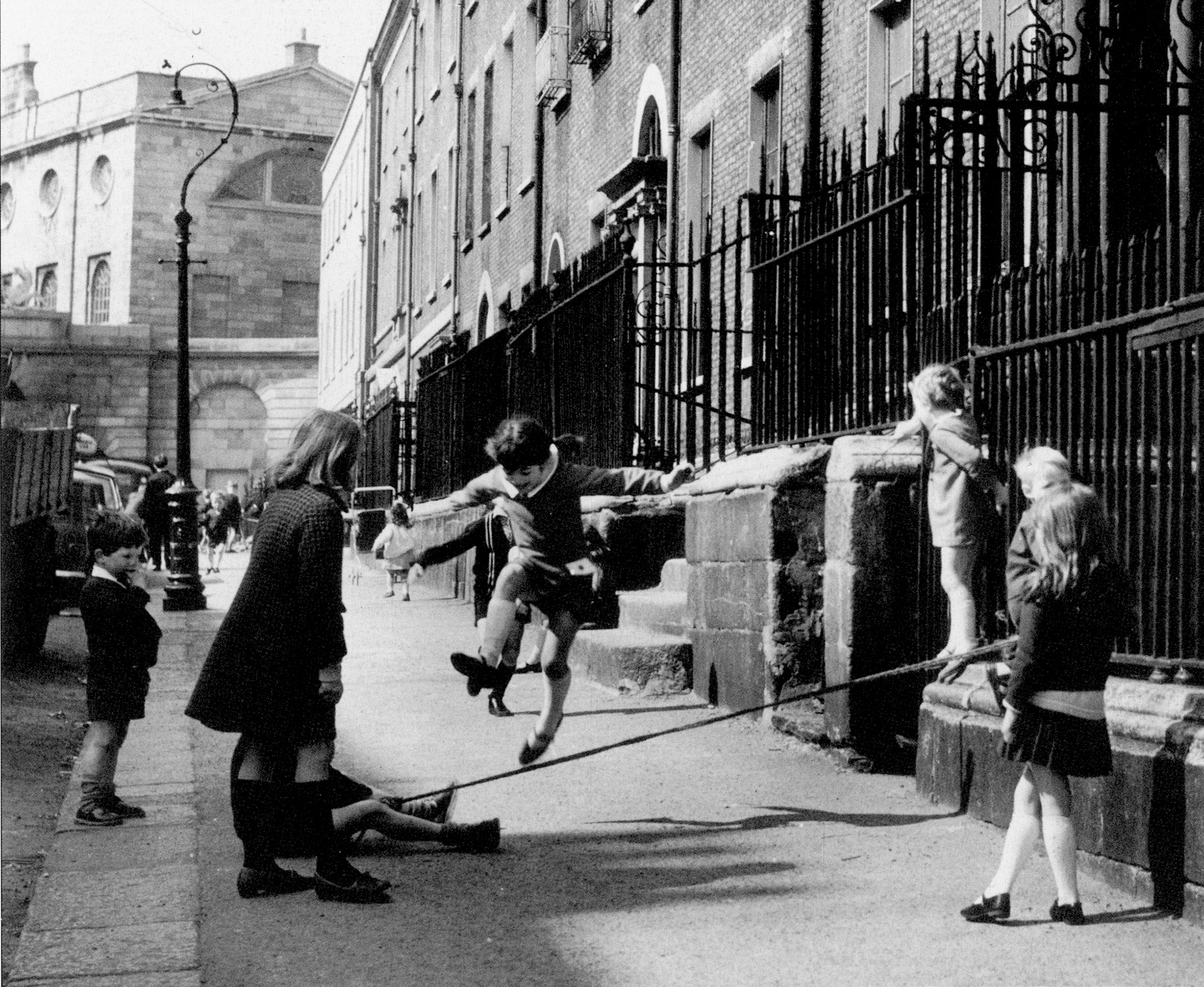
Teenagers may feel they need permission to play. Sometimes they just need space to loiter and talk ,but they are often misunderstood. As Jane Jacobs stated in The Death and Life of Great of Great American Cities “adolescents are always being criticised for this kind of loitering, but they can hardly grow up without it” [1]. Teenagers in county Kildare have said “adults made space for the younger kids but every time teenagers are in a space, they get kicked out or demonised” [2]. Adults have a duty to assist children and teenagers in creating the spaces they desire.
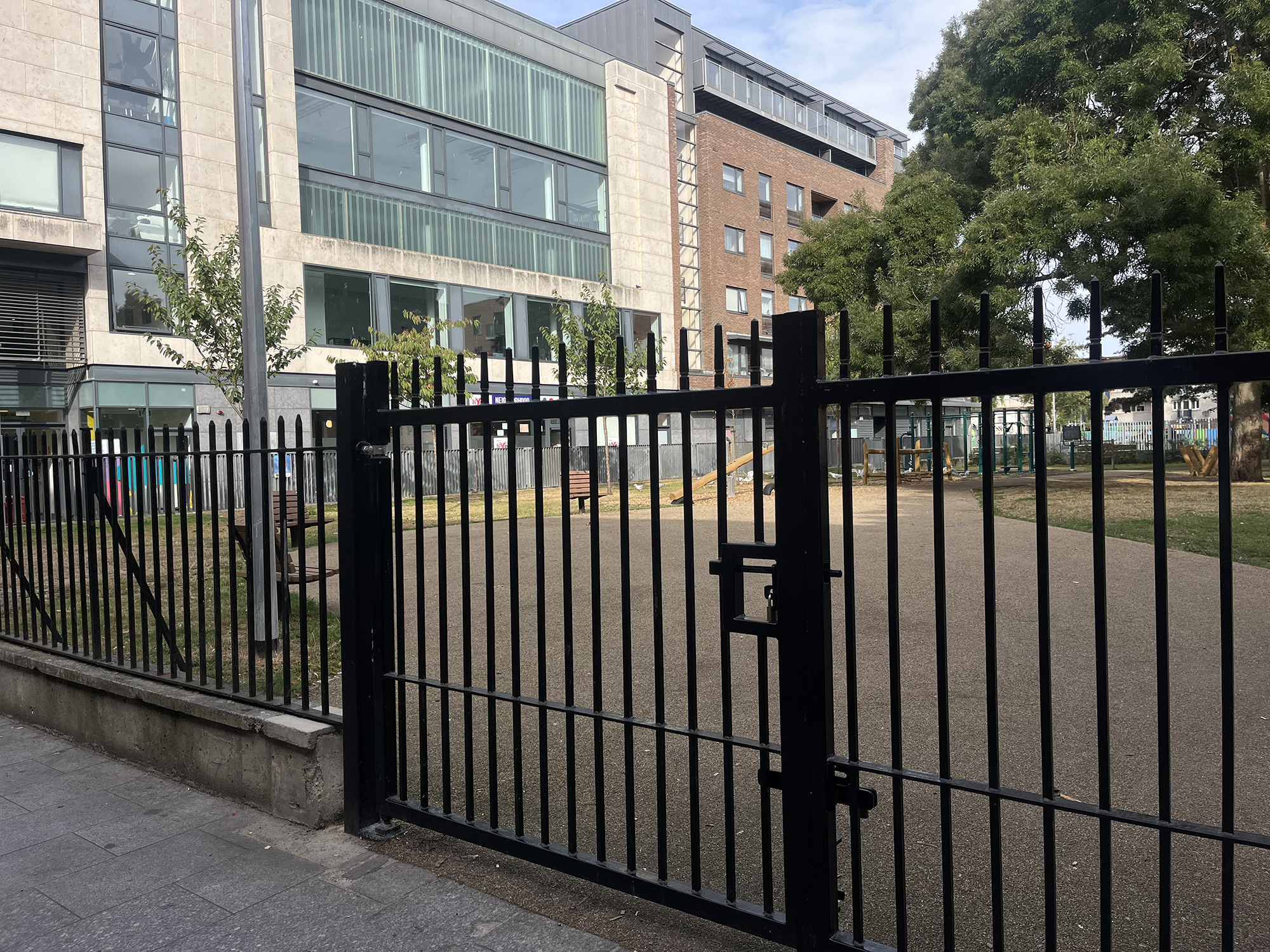
Public and green spaces in Ireland often consist of pitches, MUGAs (multi-use games areas), and skateparks. These large and open spaces often end up being taken over by boys and men who play ball games which results girls feeling left on the periphery. These areas are also usually surrounded by high fences with only one or two narrow exits. UK-based research carried out by Make Space for Girls discovered that 90% of the facilities provided for teenagers consisted of MUGAs, skateparks, and BMX tracks, and that 90% of the users are male. Within the same research, girls were three times more likely to use other facilities (e.g. shelters, swings, tennis courts) but 75% of these ‘other facilities’, which are designed by the councils, are shelters placed facing MUGAs and pitches [3]. This is not to say that these spaces are not valuable to certain demographics. It points to the fact that these spaces are not experienced equally and that girls are often designed out of public spaces intended for their age group. This results in them feeling excluded and uncomfortable. How can we design public space for teenage girls when we don’t listen to what they want?
After decades of cities being designed mainly for men as they went to and from work via car, Vienna was one of the first cities to adopt gender mainstreaming - the practice of accounting for all genders equally in design - as an urban design principle. Since the 1980s, Stadt Wien (City of Vienna) has implemented multiple strategies to diversify their city infrastructure. The widening of over one kilometre of footpaths makes space feel more accessible and less threatening, street lighting improvements provide a stronger sense of security, traffic lights have been altered to favour pedestrians, and the provision of more benches has provided to be the difference between someone participating in public versus staying home [4].
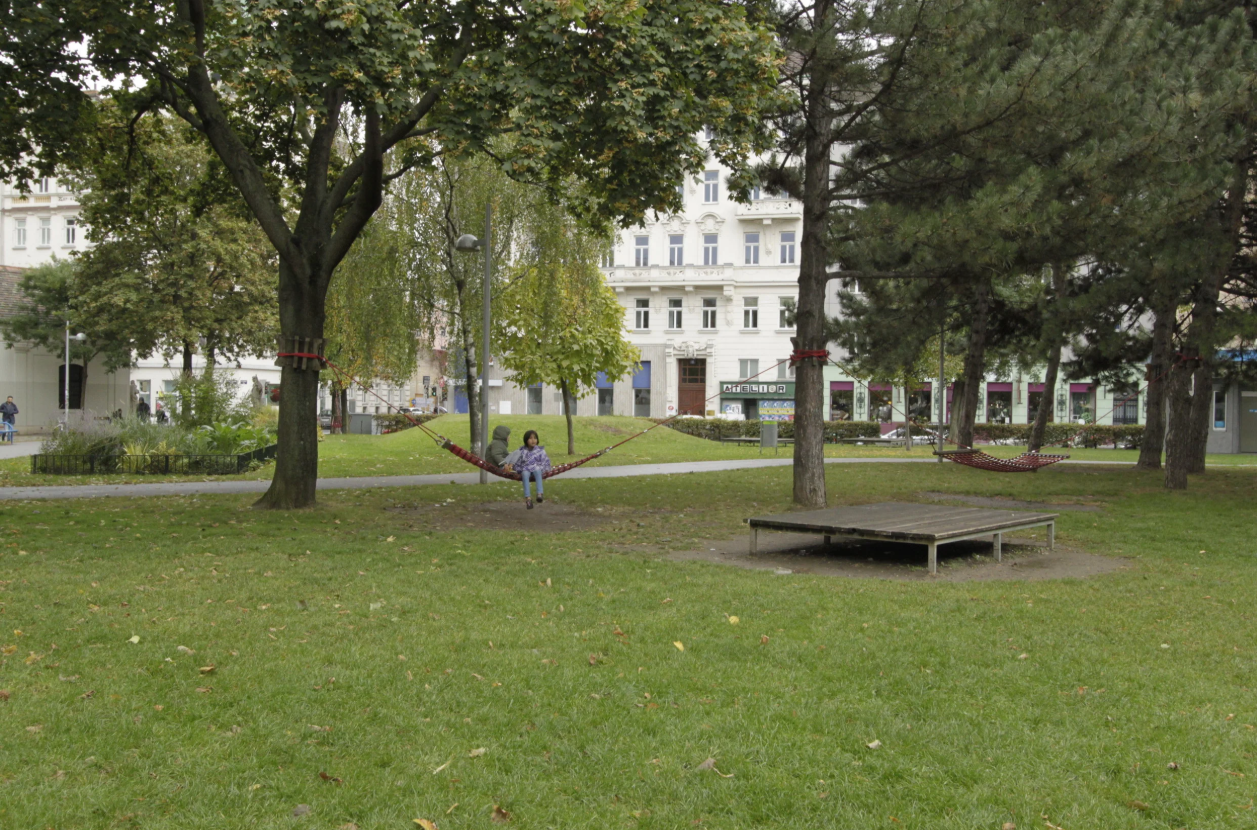
Einsiedlerpark in the Margareten district was redesigned in 1999 based on local feedback from and conversations with girls in the area - they felt that there was nothing there for them. The number of girls using these spaces was decreasing from the age of nine. Hammocks and platforms were placed near the footpaths, described as ‘quick attractions’. Volleyball and badminton courts were added to neutralise the boys’ dominance over the caged basketball courts. A platform was added between the basketball courts simply to divide the large space into ‘sub-zones’ whilst also providing more seating. Lighting and footpaths were improved to encourage girls to linger. These might seem like small additions and amendments, but they can make a huge impact on the lifestyles of teenage girls. Since its completion, it has been enjoyed by many other demographics as well, specifically elderly people and young families [5].
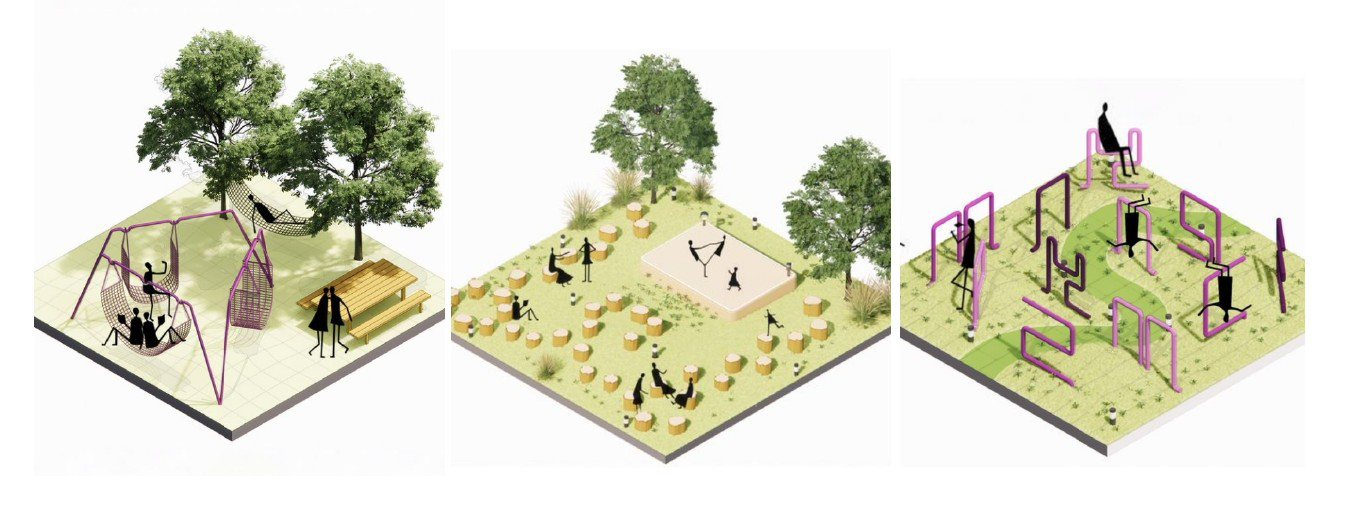
Make Space for Girls is a UK-based charity that campaigns for girls to be considered in the design process of parks and public spaces. They provide workshops and interviews with girls, research precedents, and create design suggestions. They then present this research to councils, developers, and design professionals. They give a voice to teenage girls. From their observations, suitable park infrastructure includes swings, stages, exercise bars, benches with shelter and seating facing each other. Other public space features such as lighting, access, and footpaths are also critical in fostering girls in public areas [6].
In a 2019 survey by Teenspace of 500 teenagers in the South Dublin County Council area, more than 90 per cent of teenagers requested spaces for hanging out and for play and recreation while only 5 per cent asked for more sports facilities. Kildare County Council announced a pilot project in 2024, to design a park in Celbridge while involving teenagers in the process [6]. Both of these initiatives were aimed at teenagers of all genders. In Ireland, only 11% of teenage girls reach the recommended amount of daily physical activity [7]. A Level Playing Field, a not-for-profit, carried out a series of workshops with girls from Dublin between the ages of 12 and 16. Founded by Sarah Flynn in 2022, these workshops identified what made the girls feel unsafe and uncomfortable in public spaces. The girls then sketched their idea of improved public space at Charleville Mall, Dublin 1. These proposals included ‘increased lighting, seating for hanging out and chatting on, and playful interventions such as trampolines embedded in the paving’ [8]. These initiatives are catalysts for meaningful interventions by including girls in the process.
Still, there is not enough being done to facilitate and foster girls in public space in Ireland. Dublin City Council states in their Dublin City Development Plan 2022 - 2028 that the Council will ‘during the lifetime of this Plan complete a study of Women and Girl’s Safety in the public realm in order to identify the factors that make women and girls feel safe and unsafe in public spaces’ [9]. This public research has not been carried out. The current lack of public toilets in Dublin is also a hindrance to girls - and many others. There is now only one public toilet in Dublin at St. Stephen’s Green which is currently planned to close [10]. Girls and women need reasonable access to public toilets for many reasons, specifically for menstruation, breastfeeding, and to care for children.
The only way to create pleasant public spaces for teenage girls is to talk to them and listen to them. The lived experiences of girls deserve to be acknowledged and considered when it comes to the design of public space. Teenage girls believe they are left out due to feeling unsafe, but there are multiple ways to encourage girls to take up space. There is no one prescriptive solution to this matter which is why local research and engagement is vital to suit different contexts and provide meaningfully for women.
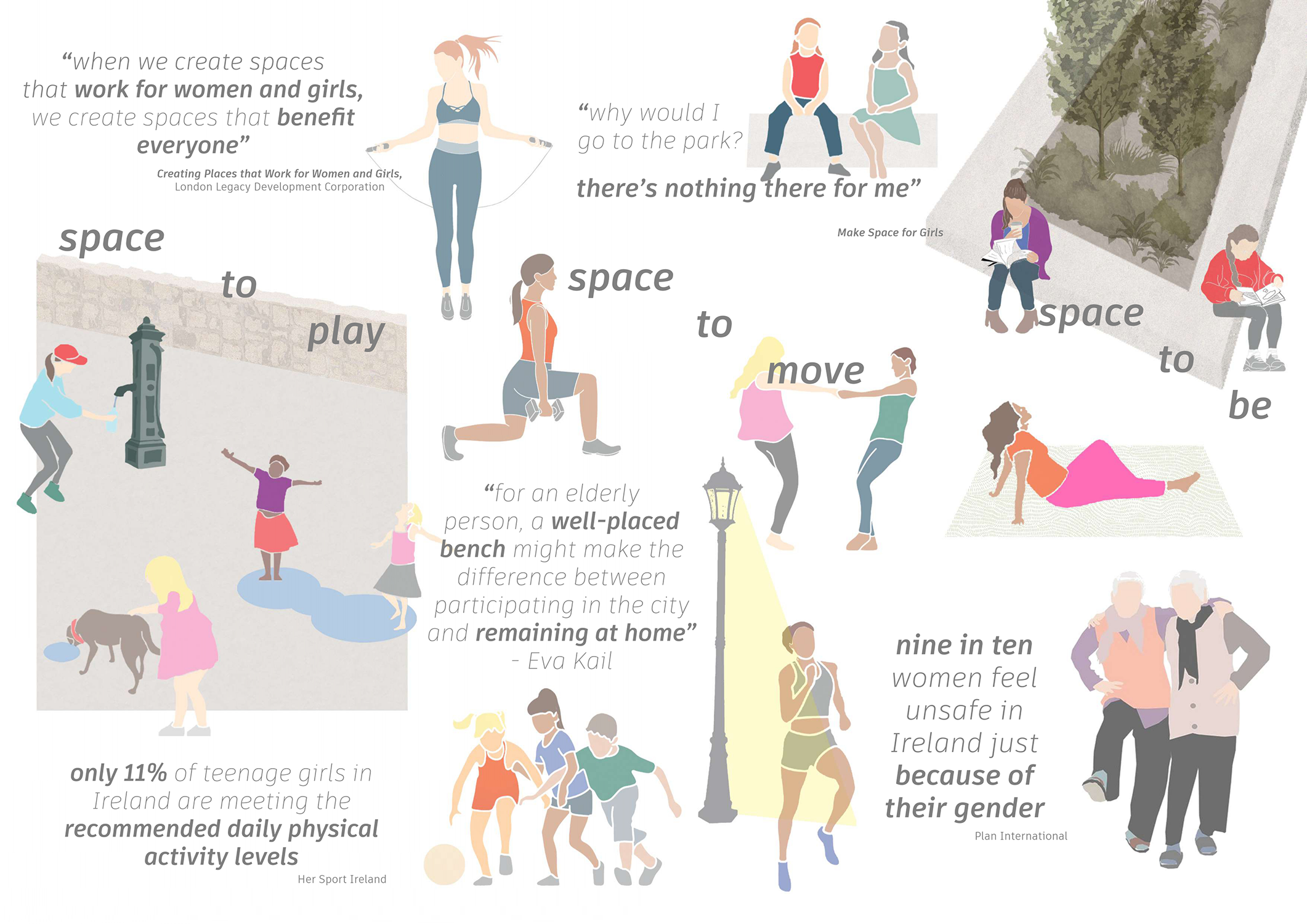
In this article, Sinéad Hickey discusses gender mainstreaming in urban spaces through the lense of teenager and women in sport. Sinéad explores the nature of spaces provided for teenagers, the disparity in provision for genders, and the issues affecting teenage girls use of these public spaces in particular.
Read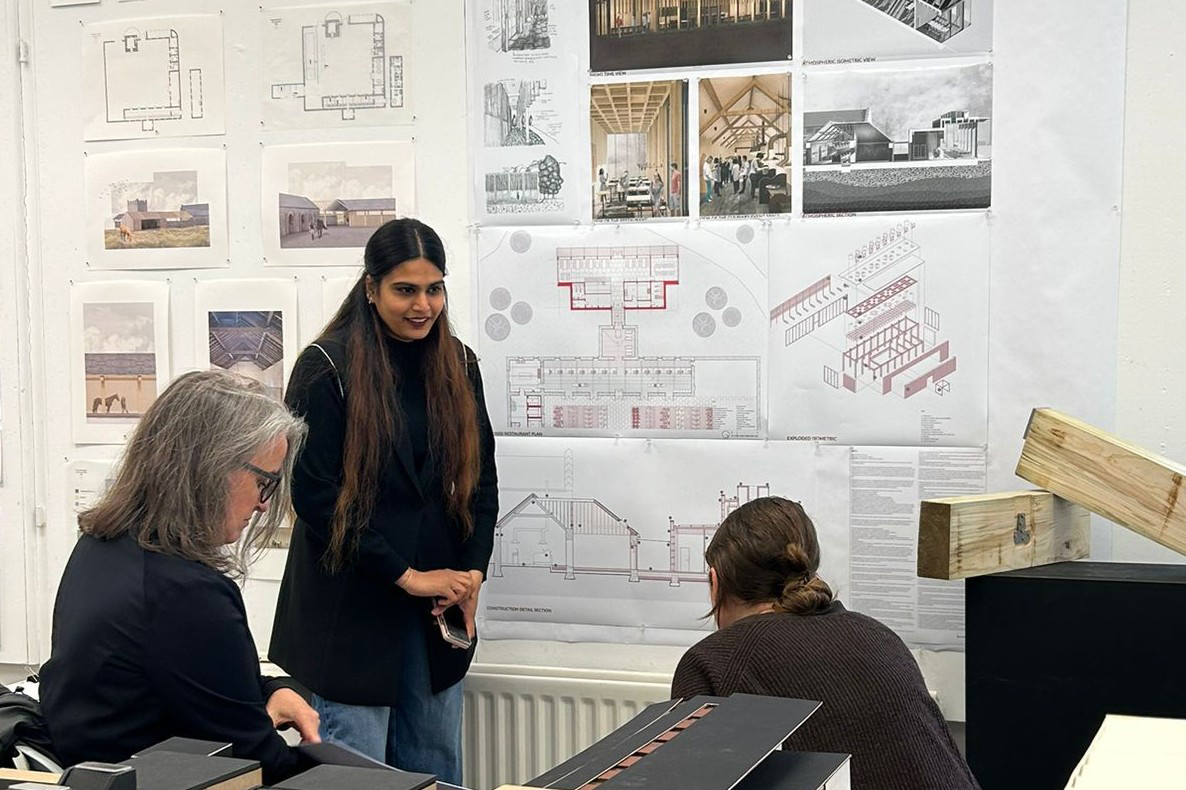
Every time I move, something has to be rebuilt.
Moving to a new place means setting up a new routine, building a new support network, and re-learning how things work - while leaving behind a version of yourself that you, and those around you, are familiar with. Migration can be described through the act of arrival, but for me, it is equally shaped by the sense of departure, having to establish myself again and figure out what I bring to the table.
I moved to Birmingham as a 17 year old international student from Delhi. While I was studying architecture, I was also learning to navigate a new cultural and academic environment. I was surrounded by new references and different ways of communicating ideas, along with the pressure of developing a design language. For example, from the outside, crit culture is about pinning your work up on the wall. However, it requires confidence and the ability to defend your ideas, to question your own thinking, and sometimes to fail publicly, and, despite that, to have the courage to show up next week.
Sarah Young, in her research on imposter syndrome, describes how critiques, comparisons, unwritten rules of architectural education, and demanding work hours can intensify feelings of self-doubt. In her survey, over 50% of first-year design studio participants reported moderate to intense feelings of being an imposter [1]. As I was still learning and finding my feet in a new country, the question of competency became more heightened, and I started to question if I truly belonged here.
As I moved to Belfast for work, the questions did not disappear. Representation tells us who is present in a design studio or an office. However, belonging is revealed through actions upon entering. As I entered practice, I began considering whether there was trust, whether I was asked about my thoughts, whether I was encouraged to take part in a conversation or given an opportunity to resolve the unfamiliar, or whether I was taking responsibility before I felt ready.
These moments matter as confidence is built through opportunities. Factors such as gender, race, disability, sexuality, and caring responsibilities can often influence whether people are given a chance to work directly with clients, take on complex projects, develop technical skills, or progress into visible leadership roles [2]. For me, being welcomed into the profession and being trusted within it were two very different realities.
Mentorship has played an important role in helping me close the gap. Over the last year, I participated in mentoring schemes across the UK and was matched with three incredible female mentors who had also migrated to the country. Conversations with them helped me navigate progression, build confidence, and manage professional expectations. Most importantly, they challenged my imposter syndrome and helped me recognise that a lack of certainty should not be seen as a lack of potential.
Yet, confidence alone can’t address the wider barriers to entering industry. The route to qualification in the profession remains long and financially demanding, especially for international graduates. At elite universities, international tuition fees can exceed £30,000 a year, yet entry-level roles offer little remuneration by comparison [3]. Recruitment can also reinforce barriers to the profession. The industry still operates through familiar networks, recommendations, and established universities. For people who are trained abroad, have migrated, or have followed an unconventional career path, it becomes even harder to get a foot in the door. For international graduates, there is an added sense of uncertainty alongside professional progression. There is a constant race against time due to visas, work sponsorship, and changing immigration policies.
Similarly, architectural registration remains tied to national systems such as the Council of Architecture in India, the Architects Registration Board in the UK, and the Royal Institute of Architects of Ireland in Ireland. Working across countries and navigating new registration processes each time requires translating experience and qualifications to fit a new system.
Having to prove your professional identity and build support networks all over again can seem daunting at first. However, with every move, I learned new ways to understand, communicate, and be resilient. My confidence now comes from knowing I have rebuilt before.
I visited the London Festival of Architecture this year, and the central theme of ‘Belonging’ was explored through connection and participation [4]. It made me reflect that while architecture creates spaces for connection, the profession must also nurture the people entering, support those trying to stay, and create meaningful opportunities for progression. This is why I co-led ‘Portfolio Review and Mentoring Night’ last month with my colleague, Lois Chan, bringing together students and practitioners for portfolio feedback, career conversations, and professional connections. I have immensely benefited from the people around me who helped me to navigate the industry, and I hope to make the routes visible to others.

I am writing this in a time of great uncertainty about my next move. Yet I know with every move, I carry forward the confidence, the generosity of my mentors, diverse perspectives, and unique experiences. My experience is only one of many among the professions increasingly shaped by movement. The question then is, how does the industry recognise, value, and advocate for the talent it attracts from across the globe?
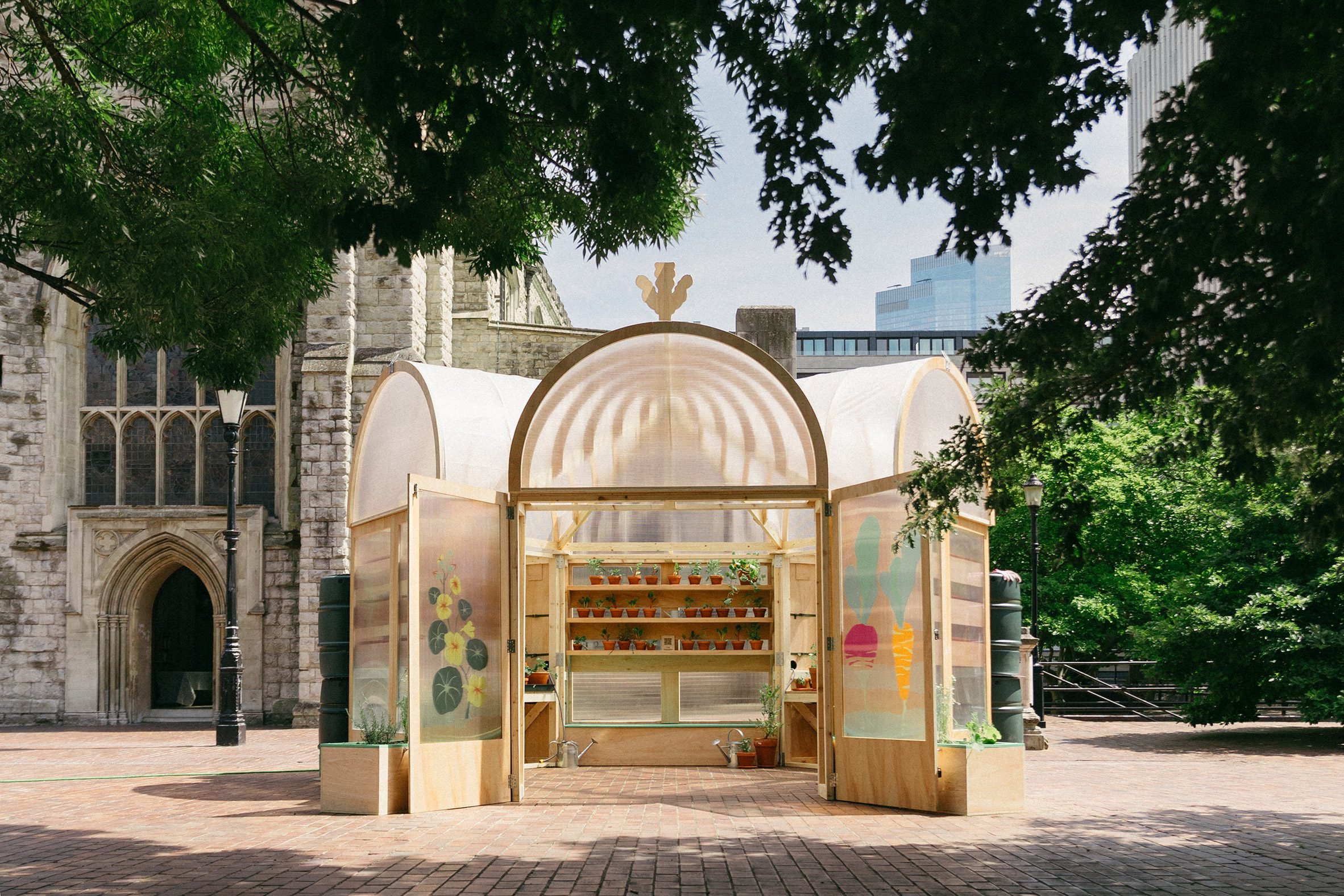
In this article, Ananya Jain reflects on how different educational and professional environments shaped her sense of belonging through her journey from Delhi to Belfast, and the role mentorship, migration, identity, and belonging has played in her navigation of both architectural education and practice.
Read
By the time I turned sixteen, I had already let most of my hobbies fall by the wayside. Art, basketball, ballet, theatre – all of these are things which I used to love but inevitably gave up one-by-one as I entered adolescence. The common denominator being that I felt I simply could not spare the time for these hobbies. But this begs the question as to why a young girl might find herself worrying about time – why did I feel like I was in a time deficit at such a young age? The sad reality of this is that there are a number of things which eventually lead young girls to disproportionately abandon hobbies and pastimes in their adolescence. Social pressure, self-consciousness, and time redistribution toward academics are all contributing factors. However, there was a hidden undercurrent of something deeper and far older as I slowly let go of my hobbies; an internalisation that devoting time and dedication towards the pursuit of something simply for its own pleasure is a luxury which is less available to me as a woman [1] [2].
When the time came for me to choose a career path at the too-young age of eighteen, I weighed my options carefully. The pressure to choose wisely was immense, and there was a massive push for women to pursue careers in STEM. While I was good at maths and physics, I also loved art, music, and languages. Sadly, I dismissed those subjects which might be viewed as more ‘feminine’, such as art or music, feeling that as I was lucky enough to be good with numbers I ought not to waste it [3]. I was conflicted – that part of me which had loved art and drawing was calling out for something more creative, yet I pushed myself towards sciences and engineering. When a teacher suggested architecture to me, it almost seemed too good to be true – the perfect marriage between creativity and calculated logic. And so, knowing almost nothing about the profession, I began my journey through architecture school.
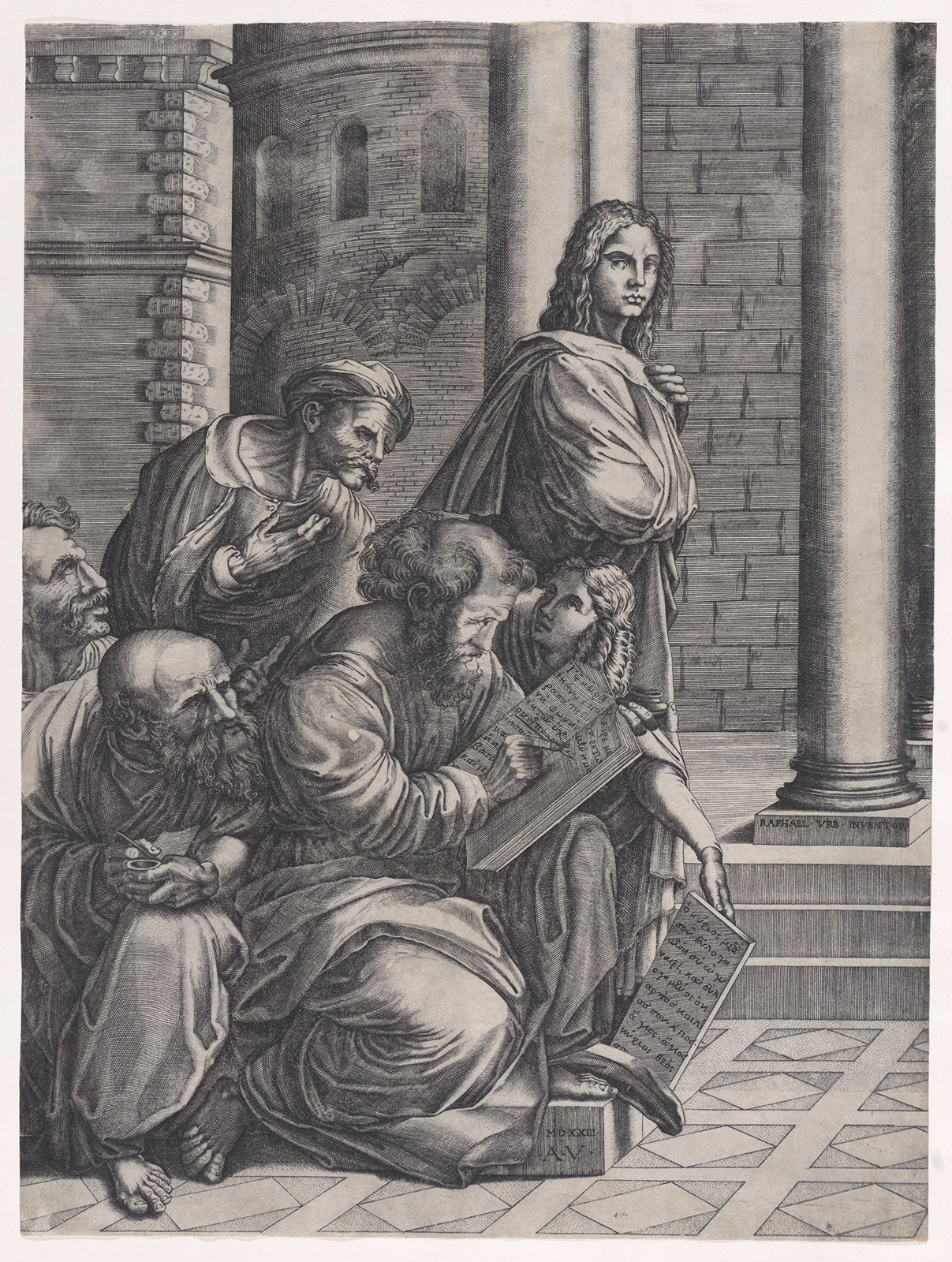
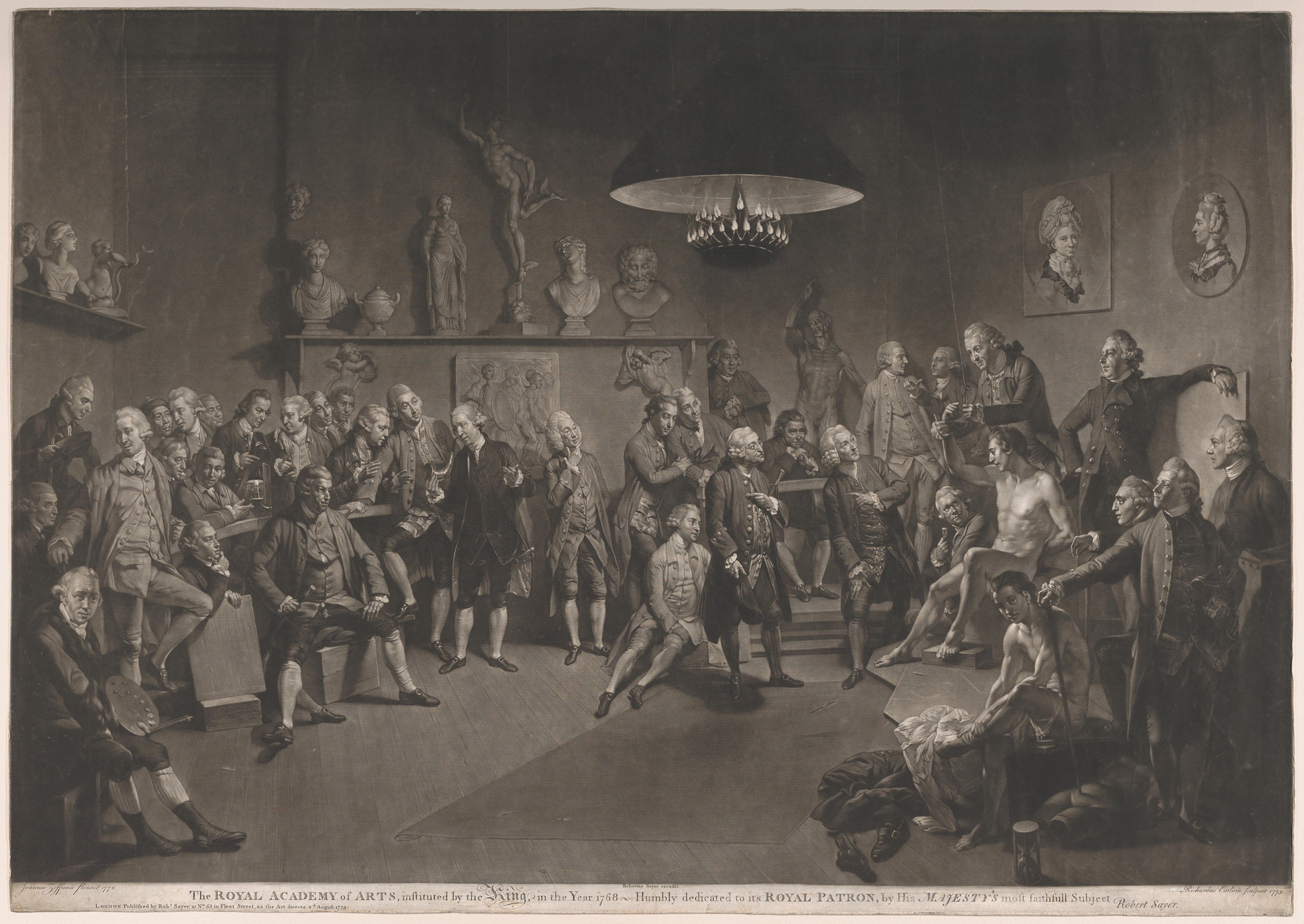
To many, the image of the eccentric, ‘gentleman architect’ is a familiar one [4]. An artist figure, sketchbook in hand, running his hand softly over board-marked concrete. In fact, I might argue that the image of the eccentric architect is a romanticised one, perhaps to the point where it risks becoming comical – the architect who dream-walks through his building at night, scrambling for a pencil in the early hours with a new design in his head. Architects have long been characterised by their sacrifice, passion, and devotion to their craft – their work coming before all else. This attitude continues to permeate through all stages of the profession, from early years in architecture school and late into successful careers.
As I made my way through my undergraduate studies, the years were defined by long days, late nights in the studio, and weekends spent burning the midnight oil in the library. While I loved my time in studio and had a great relationship with my peers, I began to realise that I was struggling to find time for much else other than my studies. Once again, my hobbies took a backseat. Meeting friends and pursuing any extra curriculars become increasingly more difficult. In my early years in university, I worked a part-time job, and I was warned by many older students and even a few tutors that I might need to quit once things got busy. I remember thinking how ridiculous an idea that was, how should I be expected to pay my way without working? The truth is that this attitude stems from a much older and dangerous idea; that architecture is not a job, but instead an avocation, historically accessible only to those who could afford it.
Architecture first developed as a pursuit in the 15th century, divorcing itself from the previous medieval vocation of the ‘master builder’[5]. In the renaissance, architecture positioned itself as a ‘gentleman’s profession’, quickly distinguishing itself from building trades and labour by aligning more closely with intellectual endeavours. Training comprised of extended periods of travel, unpaid apprenticeships, and long periods of study. Thus, architecture was positioned as an artistic calling. Depending heavily on patronage and private income, it emerged as a passion first and a career second. Availability and financial flexibility heavily influenced the profession as it developed, meaning dedication was measured not by only skill, but by a willingness to prioritise the craft. It is these assumptions, then, which resulted in a profession that disproportionately excluded women, as they had less access to independent wealth, educational opportunities, and professional networks.
When I finished my undergraduate studies and entered the workforce, I was eager and enthusiastic to leave the long days in studio behind me. The idea of a ‘nine to five’ seemed a dream and I could not wait to reclaim my evenings and weekends. I am lucky enough to have worked with some amazing women over the last few years, who continue to amaze me in their hard work and dedication within this male-dominated field. However, certain realities of the profession became more apparent to me. As it turns out, the long hours and late nights were far from over. It is true that architecture is a discipline of passion, and the profession today balances being both a cultural contribution, and a skilled trade which sustains the built environment. There is a thin line, however, between admirable devotion and a potentially dangerous culture of sacrifice which risks exclusion.
The road to architecture remains long and expensive. Many years of study are followed by professional experience and further professional examinations. Emerging graduates are offered long hours for low salaries, while entering a world with a near inaccessible housing market and record high costs of living. When sacrifice is romanticised, and long hours are reframed as commitment – an assumed requirement rather than an occasional exception – it begs the question of how sustainable the career is in the long run. The expectation that architects will give more time than they are compensated for still persists, sustained by the belief that architecture is a career driven by passion rather than financial necessity.

As women, we begin to recognise that these expectations are not neutral – that a profession built on constant sacrifice quietly determines who can remain, and who cannot. While my university class boasted an equal ratio of male to female students, female representation in architecture drastically decreases at senior levels. Despite gradual moves towards a more balanced gender representation in architecture, I can’t help but wonder if the avocation mindset plays a significant role. The expectation of constant availability, sacrifice, and prioritisation over all else conflicts with career interruptions such as pregnancy, familial responsibilities, and caregiving duties which continue to disproportionately affect women [6]. I am a young woman at the very beginning of my career, and I would be lying if I told you these concerns had never crossed my mind. The expectation of constant availability and sacrifice reflects an outdated assumption of who an architect is. As I approach my thirties, I find myself worrying how sustainable a career in architecture is for me if I want to have children and raise a family.
These concerns feel increasingly urgent in Ireland today. This mindset which views architecture as a 'gentleman’s profession' risks excluding a diverse range of people who are drawn to it. Framing the profession as an intellectual pursuit discredits a skilled career which is highly technical, as well as socially and culturally valuable. I grow increasingly nervous that architecture might become something I may not have the luxury or flexibility to maintain without sacrificing something important. While I love my field of practice, and am passionate about my chosen career, the truth remains that architecture is not my avocation. My job is not my hobby.
In this article, Ciara O’Connell closes our mini-series ‘Drafting Identity’ which focuses on the experience of women in Architectural Education from both personal and professional perspectives, supporting the FIAE movement. Ciara explores the pressures a career in architecture places on life outside of work, and the significant material impacts that places on women, in particular.
Read

Website by Good as Gold.